Wine Tasting Journal: How to Take Meaningful Notes
Wine Tasting Journal: How to Take Meaningful Notes
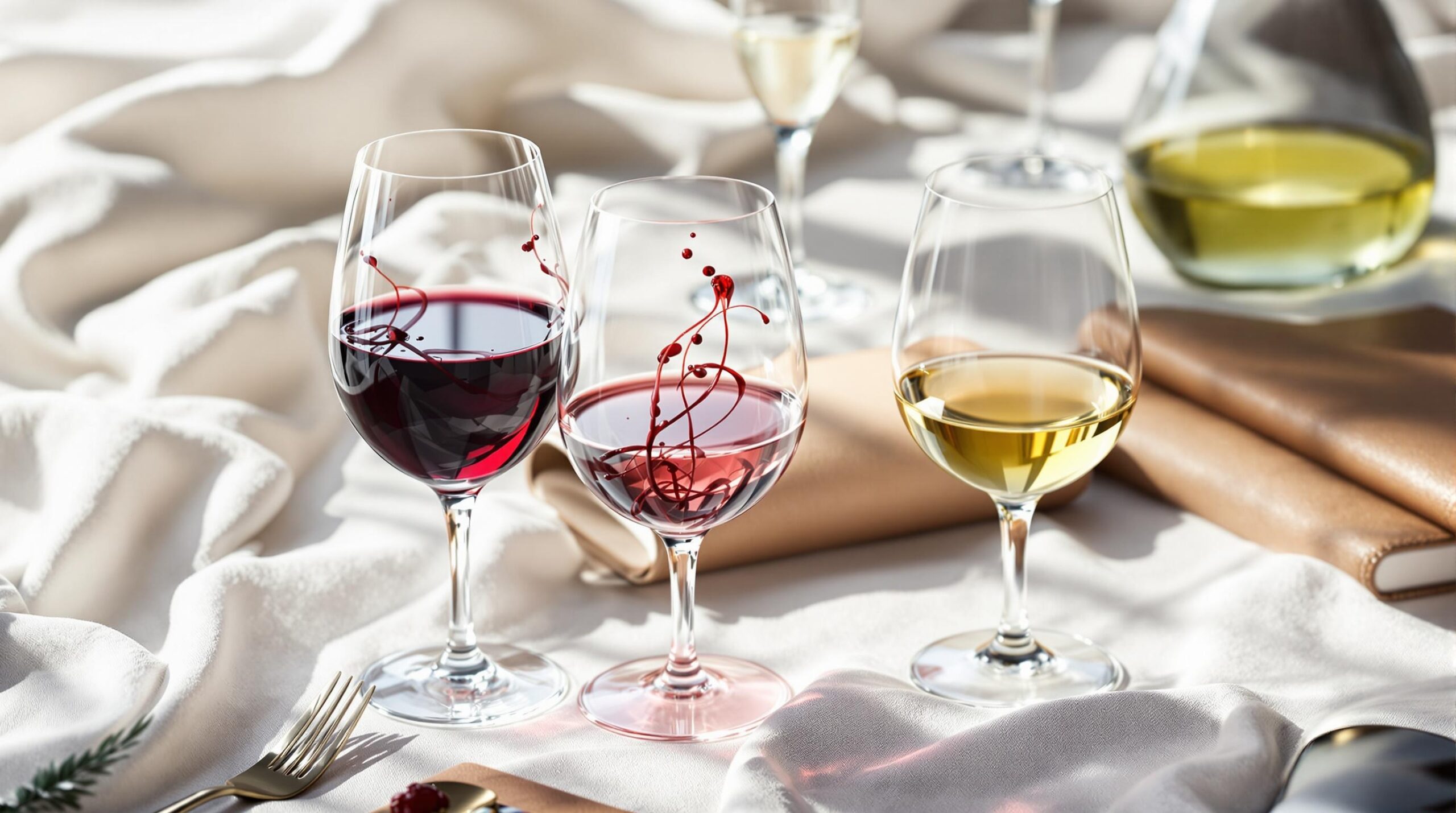
Taking wine notes transforms casual sipping into a memorable learning experience. Wine journaling helps develop your palate and builds confidence in selecting wines you'll enjoy.nnEssential Wine Tasting ToolsnA proper setup enhances your note-taking experience:nnWine journal or note-taking appnClear wine glasses with stemsnWhite paper or tablecloth for color assessmentnGood lighting (natural light preferred)nWater for palate cleansingnnnVisual Assessment: The First ImpressionnTrain your eye to notice these key visual elements:nnnCharacteristicnWhat to NotennnColornPurple, ruby, garnet (reds); straw, gold, amber (whites)nnnClaritynClear, hazy, cloudynnnViscositynTears/legs on glass, thicknessnnnnCapturing Aromas and FlavorsnCreate structured notes using these categories:nnPrimary aromas: Fruit, herbs, flowersnSecondary aromas: Yeast, dairy, fermentation notesnTertiary aromas: Oak, aging, leathernTaste components: Sweet, sour, bitter, saltynBody: Light, medium, fullnFinish: Length and final impressionsnnnNote: The remaining sections would cover organization methods, scoring systems, digital vs. analog recording, and practical tips for maintaining consistent notes.Digital vs Traditional Wine Notesn- Wine apps offer search, photo storage, and social sharingn- Paper journals provide tactile experience and personal touchn- Hybrid approach: Combine digital convenience with handwritten detailn- Consider using cloud backup for preserving valuable tasting historynnAdvanced Tasting Techniquesn- Temperature control: Serve wines at proper temperatures (reds 60-65°F, whites 45-50°F)n- Decanting: When and how to aerate different wine stylesn- Food pairing notes enhance learning experiencen- Time progression: Document how wine changes in glassnnBuilding a Reference SystemnnPersonal rating scale: Create consistent 1-5 or 1-100 systemnPrice point categories: Track value relative to costnRegional grouping: Organize notes by wine regionsnVarietal patterns: Compare similar grape varietiesnnnnnRating LevelnDescriptionnnn1-2nSkip/Not Worth Pricennn3nGood Value/Would Buy Againnnn4-5nOutstanding/Special OccasionnnnnMaking Your Notes Work For Youn- Monthly reviews: Review patterns in preferencesn- Shopping lists: Create based on successful tastingsn- Seasonal recommendations: Track which wines work best by seasonn- Party planning: Reference notes for entertainingn- Budget tracking: Monitor spending and value findsnnQuick Reference Guiden- Keep notes simple and consistentn- Include purchase location and pricen- Add food pairing successesn- Note special occasions or memoriesn- Take photos of memorable labelsnnRemember to:n- Update notes within 24 hours of tastingn- Include serving temperaturen- Note purchase date and drinking windown- Record storage conditions for aging winesn- Track vintage variations of favorite winesFAQs About Wine Tasting NotesnnWhat should I write in my wine tasting notes?nRecord these key elements:n• Appearance: Color and clarityn• Aroma: Primary fruit notes, secondary aromasn• Taste: Flavors, acidity, tannins, bodyn• Overall impression and personal ratingn• Price and purchase locationn• Food pairing suggestionsnnWhy keep a wine tasting journal?nA wine journal helps track preferences and discover patterns in wines you enjoy. It serves as a personal reference for future purchases and builds wine knowledge systematically.nnWhat's the best format for wine notes?nUse a structured approach:n1. Wine basics (name, vintage, producer)n2. Tasting notes (appearance, smell, taste)n3. Personal rating (1-5 stars or 1-100 points)n4. Price point and value assessmentnnDo I need special equipment for wine tasting notes?nBasic items include:n• Notebook or wine appn• White background (paper or surface)n• Good lightingn• Clean wine glassn• Water for palate cleansingnnHow detailed should wine notes be?nStart with simple descriptions and expand as your knowledge grows. Focus on clear, personal observations rather than trying to match expert terminology.nnWhat's the best way to describe wine aromas?nGroup aromas into categories:n• Fruits (red, black, tropical)n• Flowersn• Herbs and spicesn• Earth and mineralsn• Oak-derived notesnnHow can I improve my tasting note accuracy?nPractice with these techniques:n• Taste wines side by siden• Use an aroma wheeln• Compare notes with othersn• Revisit wines multiple timesnnShould I use a paper journal or digital app?nBoth have benefits:nPaper journals offer a personal touch and freedom in formatnDigital apps provide organization and searchabilitynChoose based on your preference for accessibility and note-taking style.nnHow do I rate wines consistently?nDevelop a personal rating system:n• 5 points: Simple but effectiven• 20 points: More detailed assessmentn• 100 points: Professional-style scoringnStick to one system for consistency.nnWhen should I write tasting notes?nTake notes while tasting or immediately after. Fresh impressions are more accurate than delayed observations. Consider taking quick photos of labels for reference.nnQuick Tips for Better Wine Notesnn• Use consistent terminology across entriesn• Include date and occasionn• Note serving temperaturen• Record food pairings that worked welln• Add purchase information for future referencen• Keep notes brief but specificn• Include a value assessment (worth the price?)n• Note storage conditions if relevantnnCommon Mistakes to Avoidnn• Writing too much or too littlen• Copying others' tasting notesn• Using overly technical languagen• Forgetting basic wine informationn• Skipping personal impressionsn• Not dating entriesn• Ignoring price pointsnnThis practical approach to wine note-taking helps build a useful reference for future wine experiences and purchases. Start simple and let your note-taking style evolve naturally with your wine knowledge.