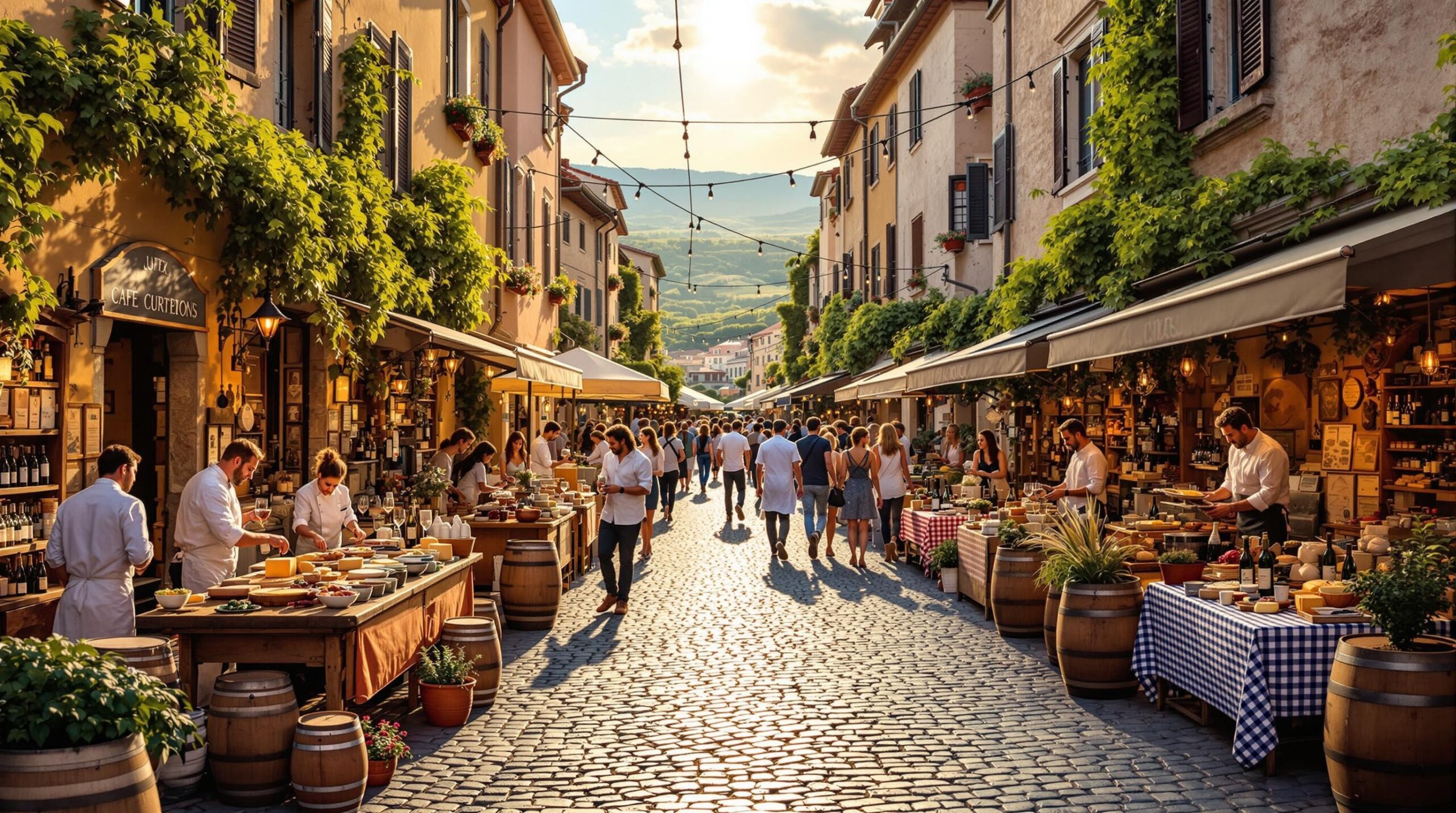
Traditional Food and Wine Festivals Worth Traveling For
Traditional Food and Wine Festivals Worth Traveling For
Food and wine festivals showcase local culinary traditions while connecting food enthusiasts with regional specialties. These gatherings blend ancient customs with modern gastronomy, offering unique opportunities to sample authentic dishes and wines in their original settings.nnEssential Planning Tips for Festival-Going FoodiesnnBook accommodations 3-6 months in advance for popular festivalsnResearch local transportation options and festival parkingnCheck festival dates against weather patternsnPurchase tickets early for special tastings and workshopsnPack comfortable shoes and weather-appropriate clothingnnnFestival Season Planning CalendarnnSeasonNotable FestivalsBest FornSpringBordeaux Wine FestivalWine tastings, mild weathernSummerAspen Food & Wine ClassicOutdoor events, chef demosnFallAlba White Truffle FestivalHarvest celebrations, traditional foodsnWinterMelbourne Food & Wine FestivalIndoor events, intimate tastingsnnnTop European Food and Wine FestivalsnnBordeaux Wine Festival - France's largest wine event featuring over 80 appellationsnSan Sebastian Gastronomika - Spain's premier culinary conferencenAlba White Truffle Fair - Italy's famous truffle celebrationnCopenhagen Food Festival - Nordic cuisine showcasennnNorth American Festival HighlightsnnAspen Food & Wine Classic - Mountain setting with world-class chefsnSouth Beach Wine & Food Festival - Beachside tastings and demonstrationsnMontreal En Lumiere - Winter festival celebrating Quebec cuisinenNapa Valley Wine Festival - California wine country's signature eventnnnBudget-Saving TipsnnBook multi-day passes for better valuenStay in nearby towns instead of festival citiesnTravel during shoulder seasonnLook for early-bird ticket specialsnJoin wine clubs for member discountsnnnMaking the Most of Festival ExperiencesnnArrive early to avoid crowds and get first picks at popular standsnTake guided tours when available for expert insightsnConnect with vendors and winemakers to learn their storiesnSample unfamiliar dishes and regional specialtiesnJoin cooking demonstrations for hands-on learningnnnTasting StrategiesnnStart with lighter wines before moving to fuller-bodied optionsnCleanse your palate between tastings with water or neutral crackersnTake notes on favorite wines and dishes for future referencenShare plates with companions to try more varietiesnnnFood Photography and Social Media TipsnnFind natural light when possible for better food photosnCapture candid moments of food preparationnUse festival-specific hashtags to connect with other attendeesnShare vendor stories and tag their businessesnDocument unique preparation methods and plating techniquesnnnPhotography EquipmentnnItemPurposenPortable lightIndoor lighting situationsnWide-angle lensCrowd and atmosphere shotsnMacro lensClose-up food detailsnBattery packExtended photo sessionsnnnHealth and Safety ConsiderationsnnStay hydrated between wine tastingsnDesignate a driver or use ride-sharing servicesnCheck food allergies with vendors before samplingnCarry hand sanitizer and wet wipesnKnow the location of first aid stationsnMonitor alcohol consumption throughout the daynnnPlanning Your Next Festival AdventurennSign up for festival newsletters to get early announcementsnFollow favorite vendors on social media for future eventsnCreate a calendar of annual festivals that interest younConsider combining festivals with regional tourismnJoin food and wine clubs for exclusive festival accessnnnFestival Planning TimelinennMonths BeforeAction Itemsn6 monthsResearch festivals and book accommodationsn3 monthsPurchase tickets and plan transportationn1 monthResearch vendors and create tasting wishlistn1 weekCheck weather and pack accordinglynFood and Wine Festival FAQsnnTop 10 Questions About Food & Wine FestivalsnnnWhen is the best time to attend food and wine festivals?nMost festivals happen during harvest season (August-October) when produce and wines are at their peak.nnHow much do festival tickets typically cost?nPrices range from $50-300 depending on the event type, with basic admission starting around $50 and VIP experiences reaching $300+.nnWhat should I wear to a food and wine festival?nChoose comfortable shoes, dark colors to hide spills, and layers for temperature changes. Avoid white clothing and high heels.nnHow can I taste more wines without getting overwhelmed?nUse the spit buckets, drink water between tastings, and eat throughout the event. Focus on 8-10 wines maximum.nnWhich festivals offer the best value?nRegional festivals often provide better value than large international ones, with more intimate access to winemakers and chefs.nnnPlanning Tips for Festival SuccessnnnArrive early to sample popular dishes before they run outnGet a festival map and mark must-try vendorsnBring a small notebook to record favorite wines and foodsnTake photos of labels for future referencenBook accommodations within walking distancennnNotable International Food & Wine FestivalsnnnnFestivalnLocationnBest Known FornnnBordeaux Wine FestivalnFrancenPremium wine tastingsnnnMelbourne Food & Wine FestivalnAustralianChef masterclassesnnnAspen Food & Wine ClassicnUSAnCelebrity chef demonstrationsnnnnMaking the Most of Festival TastingsnnStart with lighter wines and foods, moving to heavier options later. Break up wine tastings with water and plain crackers to cleanse your palate.nnWhat to BringnnWine glass holder necklacenSmall crossbody bag or fanny packnPortable phone chargernHand sanitizernBusiness cards for networkingnnnMoney-Saving StrategiesnnPurchase early-bird tickets for significant discounts. Look for package deals that include accommodation and transportation. Consider volunteering at festivals for free admission.nnHealth and Safety TipsnnEat a light meal before attending. Plan transportation in advance - use ride-sharing services or designate a driver. Stay hydrated with water throughout the event.nnLearning OpportunitiesnnTake advantage of educational seminars offered at festivals. Many events feature workshops on wine regions, food pairing, and cooking demonstrations by professional chefs.nnRemember to pace yourself and focus on quality over quantity. Food and wine festivals are about discovery and appreciation, not consumption.