Underground Wine Caves: Best Cellar Tours
Underground Wine Caves: Best Cellar Tours
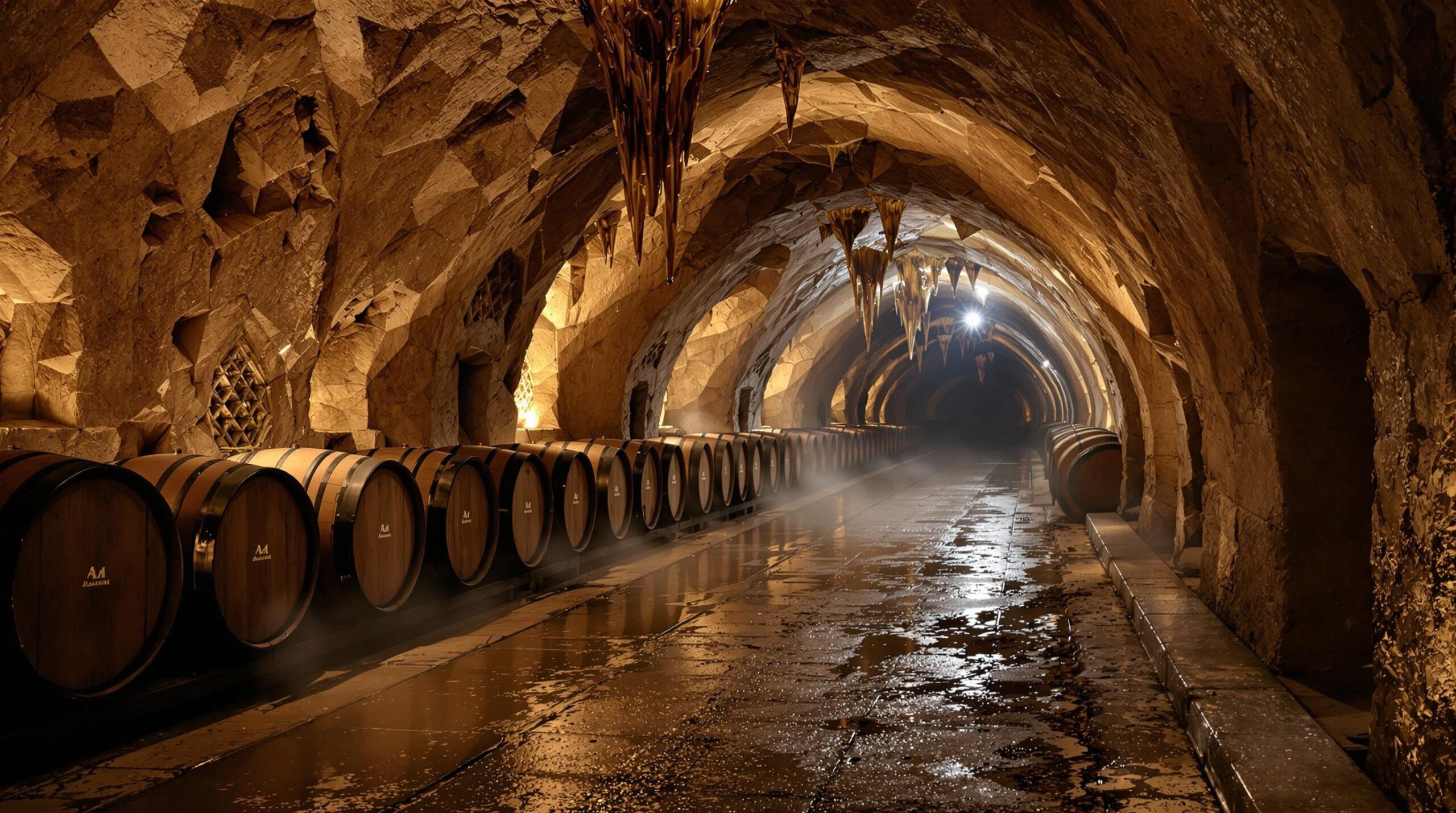
Wine caves represent centuries-old wisdom in wine preservation, offering natural temperature control and ideal humidity. These subterranean chambers maintain wines at perfect 55-57°F (13-14°C) with 70-90% humidity - conditions that modern wine refrigeration systems try to replicate.nnTypes of Underground Wine Caves and Their BenefitsnUnderground wine caves come in several forms, from historic European cellars carved into limestone to modern concrete bunkers. Natural caves maintain consistent temperatures year-round without electricity, while engineered caves can be optimized for specific storage conditions. The earth's natural insulation provides:nnConsistent temperature controlnNatural humidity regulationnProtection from UV lightnVibration reductionnEnergy efficiencynnnFamous Wine Cave Tours Around the WorldnSeveral renowned wine regions offer exceptional cave tours:nnnLocationnNotable FeaturesnBest Time to VisitnnnChampagne, Francen100+ km of Roman-era chalk cavesnApril-OctobernnnNapa Valley, USAnModern tunnel systems with tasting roomsnYear-roundnnnPorto, PortugalnHistoric port wine aging cavesnMarch-NovembernnnnPlanning Your Wine Cave VisitnBefore booking a wine cave tour, consider these essential factors:nnTour duration: Most visits last 60-90 minutesnTemperature: Bring a light jacket (caves stay cool year-round)nMobility requirements: Some caves have steep stairs or uneven surfacesnPhotography policies: Many caves restrict flash photographynReservation requirements: Popular caves often book weeks in advancennnWine Cave Construction for Home EnthusiastsnCreating a home wine cave or cellar space requires careful planning. Temperature control systems, proper insulation, and moisture barriers form the foundation. Small spaces like basement corners or under-stair areas can be converted with:nnVapor barriers on walls and floorsnCork or stone flooringnLED lighting with UV protectionnBackup power systemsnWine racking systemsnnnEnvironmental Control SolutionsnModern technology offers various options for maintaining ideal storage conditions:nnnSystem TypenCost RangenBest FornnnSplit cooling systemsn$3,000-$8,000nLarge collectionsnnnThrough-wall unitsn$900-$2,000nSmall spacesnnnIntegrated humidity controln$500-$1,500nDry climatesnnnnStorage Organization and ManagementnProper organization maximizes space and protects wine investment:nnLabel-forward storage for easy identificationnDigital inventory systems for collection trackingnStorage zones based on wine type and aging potentialnRotation schedules for optimal agingnEmergency protocols for power outagesnnnMaintaining Your Wine CavenRegular maintenance ensures optimal storage conditions:nnMonthly temperature and humidity monitoringnQuarterly equipment inspectionnBi-annual deep cleaningnAnnual professional system checknnnConsider installing remote monitoring systems for real-time alerts about temperature fluctuations. Keep a maintenance log to track system performance and wine rotation schedules.nn10 Common Questions About Wine Cave ToursnnWhat is a wine cave and why are they used?n
Wine caves are underground storage facilities that maintain natural temperature and humidity levels (55-60°F, 70-90% humidity). These conditions help wines age properly while saving energy costs compared to above-ground storage.
nnWhich wine regions offer the best cave tours?n
Top wine cave destinations:n- Napa Valley, California (especially Beringer and Schramsberg)n- Champagne, France (Moët & Chandon's 17-mile network)n- Porto, Portugal (Taylor's Port cellars)n- Moldova (Mileștii Mici - world's largest wine cellar)
nnWhat should I expect during a wine cave tour?n
Most tours last 60-90 minutes and include:n- Historical background of the wineryn- Cave construction informationn- Wine aging process explanationn- Wine tasting sessionn- Temperature changes (bring a light jacket)
nnHow do I book a wine cave tour?n
Book directly through winery websites or local tourism offices. Peak season (May-October) requires reservations 2-3 months in advance. Off-season visits often allow same-day bookings.
nnWhat's the difference between a wine cave and a wine cellar?n
Wine caves are natural or excavated underground spaces. Wine cellars are typically constructed rooms in buildings, often below ground level but not necessarily carved from natural rock.
nnWhat should I wear to a wine cave tour?n
Recommended attire:n- Comfortable, closed-toe shoesn- Light jacket or sweatern- Dark colors (wine spills)n- Avoid strong perfumes
nnAre wine caves accessible for everyone?n
Many caves have stairs and narrow passages. Contact the winery about accessibility options. Some offer virtual tours or above-ground alternatives for those with mobility concerns.
nnWhat makes some wine caves better than others?n
Quality indicators:n- Natural temperature controln- Proper humidity levelsn- Historical significancen- Tour guide knowledgen- Wine tasting variety
nnCan I take photos in wine caves?n
Most wineries allow photography without flash. Some restrict photos in certain areas or during production periods. Check specific policies when booking.
nnWhat's the best time to visit wine caves?n
Optimal visiting times:n- Weekdays for smaller crowdsn- Off-season (November-April) for better attentionn- Morning tours for cooler temperaturesn- Harvest season (August-October) for full winery experience
nnTips for Making the Most of Your Cave TournnAsk questions about wine aging processesnTake notes during tastingsnBook private tours for more personal attentionnConsider joining wine clubs for exclusive accessnCompare different caves' architectural stylesn